
When most people think of golf practice, they imagine sun-drenched fairways, hours at the driving range, and the rhythm of real turf under their feet. But for many professionals and amateurs alike, practice doesn’t always happen outdoors.
Indoor golf training—once seen as a winter fallback—is proving to be a powerful part of serious player development. A PGA teaching pro from Virginia Beach turned his home simulator into a training ground—and it took him all the way to the PGA Championship.
Meet Rupe Taylor
Rupe Taylor isn’t on the front cover of golf magazines, but his dedication and results speak volumes. A 35-year-old PGA teaching professional based in Virginia Beach, Virginia, Taylor runs his instruction program, Play Better Now, at the Virginia Beach National Golf Club.
While his weekdays are packed with lessons, his own training happens indoors, inside a garage that’s been transformed into a home simulator space powered by Trackman technology.
He didn’t just use the simulator casually. Taylor worked through virtual rounds, dialed in numbers using launch data, and simulated on-course scenarios—all within the four walls of his home. His story stands as proof that indoor practice isn’t just supplemental; it’s legitimate preparation when used correctly.
How Indoor Practice Helped Earn a PGA Championship Spot
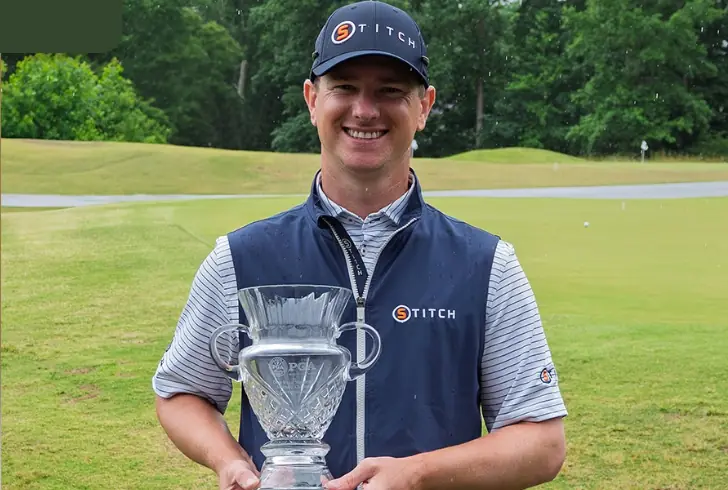
Qualifying for the PGA Championship is no small feat. To get there, Taylor had to finish inside the top 20 at the PGA Professional Championship—an event stacked with talent.
After four demanding rounds, Taylor secured a tie for ninth place with a total of two under par. That performance punched his ticket to compete at Quail Hollow for the 2025 PGA Championship, something only around 150 players in the world do each year.
While Taylor didn’t make the cut—posting rounds of 80 and 84—his presence alone made a clear statement: indoor golf training, when approached the right way, can produce championship-level results.
Why Indoor Practice Works (When Done Right)
Using an indoor simulator doesn’t automatically mean game improvement. Like anything in golf, intention and structure are everything. Simply hitting shots without a plan leads to limited progress. Effective indoor practice is strategic, and Taylor’s approach shows what works.
Here are several proven ways to train smarter indoors:
1. Vary Clubs and Shot Types
Sticking with one club doesn’t mimic real play. Rotate through the bag to replicate different course scenarios. Include wedges, long irons, hybrids, and woods.
2. Change Targets Regularly
Create game-like decisions by shifting focus across different yardages, landing areas, and shot shapes. This builds versatility and course management instincts.
3. Use Feedback Tools Thoughtfully
Launch monitor data can be a game-changer—if it’s actually reviewed. Track metrics like face angle, swing path, attack angle, and smash factor. These numbers help highlight small flaws that might go unnoticed outdoors.
4. Simulate Pressure
Compete against yourself using skills assessments or on-screen shot challenges. Creating pressure indoors can build the mental resilience needed for real tournament settings.
5. Practice Course Strategy
One of Taylor’s secrets was playing virtual rounds at Quail Hollow. Familiarizing himself with layouts, club selection decisions, and green shapes offered him a head start before he even stepped on the real course.
Not All Practice Needs to Be Outdoors
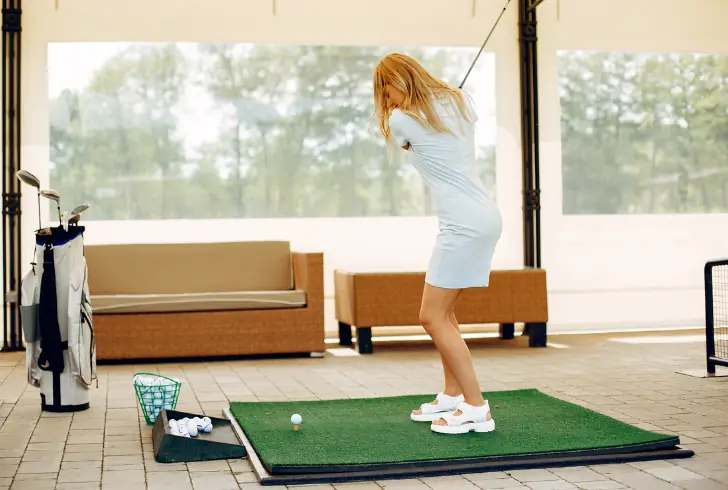
While nothing can fully replicate playing from uneven lies, wind-blown rough, or downhill bunker shots, indoor golf still checks several crucial boxes. It allows players to sharpen ball-striking, experiment with swing changes in a controlled environment, and stay sharp during off-season months. For players balancing teaching schedules, jobs, or weather disruptions, it opens the door to consistent progress.
And in Taylor’s case, it wasn’t just maintenance—it was meaningful preparation that delivered a shot at golf’s biggest stage.
What This Means for Everyday Golfers
You don’t have to be a tour-level player to see gains from indoor sessions. With the right structure, even hobbyists and weekend players can use simulators to:
– Build consistency and confidence
– Work on weak spots without distractions
– Get quality reps without depending on course access or weather
When used intentionally, indoor golf setups are far more than just a winter toy—they’re a path to real improvement.
Rupe Taylor’s journey shows what’s possible with focused, structured indoor training. While it won’t replace real course experience entirely, practicing indoors offers flexibility, data-driven feedback, and repeatable swings that carry over when it matters most.
Whether it’s in a garage, a golf studio, or a basement setup, indoor golf isn’t just relevant—it’s quietly becoming essential for modern players chasing better results.