
The air inside a home can have a bigger impact on health than many people realize. While wildfire smoke, vehicle exhaust, and industrial emissions often dominate conversations about air pollution, indoor air quality deserves equal attention.
Polluted indoor air can contribute to breathing problems, allergies, and long-term health concerns. In many cases, outdoor pollutants drift indoors, while everyday household items add another layer of contaminants.
With a few practical changes, it is possible to create a cleaner and healthier indoor environment.
Why Indoor Air Quality Matters
Outdoor air pollution has improved over the years because of environmental regulations, but indoor air pollution has not received the same level of attention. According to Joseph Allen, Professor of Exposure Assessment Science and Director of the Healthy Buildings program at Harvard T.H. Chan School of Public Health, the difference is significant.
“Hundreds of thousands of lives have been saved . But that is solely about outdoor air pollution. Our indoor air pollution has continued to worsen. We do not have a Clean Indoor Air Act.”
The statement highlights an important concern. Although outdoor air standards have become stricter, many homes continue to contain pollutants that often go unnoticed.
Sources of Indoor Air Pollution
Outdoor pollution can easily enter through doors, windows, and ventilation systems. At the same time, many common household items release pollutants indoors.
Some of the most common sources include:
1. Gas-burning stoves and ovens
2. Household cleaning products
3. Paints and certain personal care products containing volatile organic compounds (VOCs)
4. Furniture and building materials that release gases over time
5. Pollen, mold spores, and other biological particles
Because these pollutants often build up indoors, regular air circulation and proper filtration become increasingly important.
Practical Steps to Improve Indoor Air
Small daily habits can make a noticeable difference in indoor air quality.
1. Use effective air filtration
Joseph Allen recommends using an air purifier equipped with a HEPA (high-efficiency particulate air) filter, which captures fine airborne particles. For homes with central heating and cooling, installing a MERV 13 HVAC filter can also help reduce airborne contaminants.
2. Reduce exposure to VOCs
Many cleaning supplies, paints, and personal care products release volatile organic compounds. Using these products only when necessary and keeping the area well-ventilated, especially during painting projects, helps limit indoor air pollution.
3. Control dust and surface particles
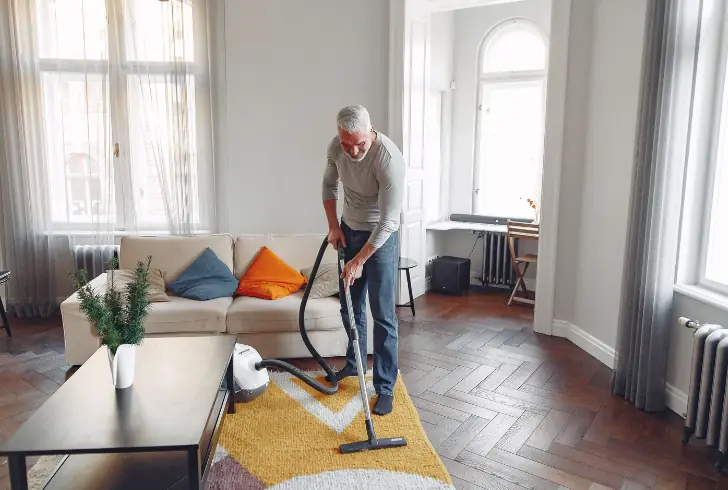
Vacuuming regularly with a filtered vacuum cleaner removes fine dust that can become airborne again. Wiping surfaces with a damp cloth and choosing low-toxicity cleaning products also helps reduce indoor particles.
4. Operate kitchen ventilation correctly
Homes with gas ovens should use a range hood that vents outdoors whenever cooking. This helps remove combustion-related pollutants before they spread throughout the home.
5. Increase fresh air circulation
Opening windows when outdoor conditions allow, switching on bathroom and kitchen exhaust fans that vent to the outside, and using attic or window fans can help prevent pollutants from accumulating indoors.
Indoor air quality depends on both the air entering a home and the activities taking place inside it. Everyday choices, including using proper air filters, limiting VOC exposure, keeping surfaces clean, and improving ventilation, can reduce many common indoor pollutants.
As experts continue to highlight the growing importance of indoor air quality, these practical measures offer a straightforward way to create a healthier home environment without requiring major lifestyle changes.