A common amino acid may have a bigger role in immune defense than scientists once thought. New research from Rockefeller University suggests that arginine, a nutrient found in many protein-rich foods, can affect how cells display warning signals linked to cancer and viral infections.
The study found that low arginine levels can interfere with the production of MHC-1, a protein that helps immune cells identify abnormal or infected cells. When arginine levels increased, researchers saw stronger MHC-1 production in laboratory models.
The findings, published in Cell, could help researchers better understand the connection between nutrition, immunity, cancer, and viral disease.
Why Arginine Matters
Arginine is an amino acid that the body uses to make proteins and support several biological processes. The body can produce it on its own, while foods such as meat, dairy products, nuts, seeds, beans, and other protein-rich options also provide it.
Scientists have linked unusually low arginine levels with several diseases, including colon cancer. Sohail Tavazoie, head of Rockefeller University’s Elizabeth and Vincent Meyer Laboratory of Systems Cancer Biology, has studied this connection for years.
In 2023, Tavazoie’s team reported that removing arginine from colon cancer cells caused them to develop more mutations. The newer research points to another concern: arginine deficiency can also interfere with the immune system’s ability to recognize dangerous cells.
Low Arginine Weakens MHC-1 Production
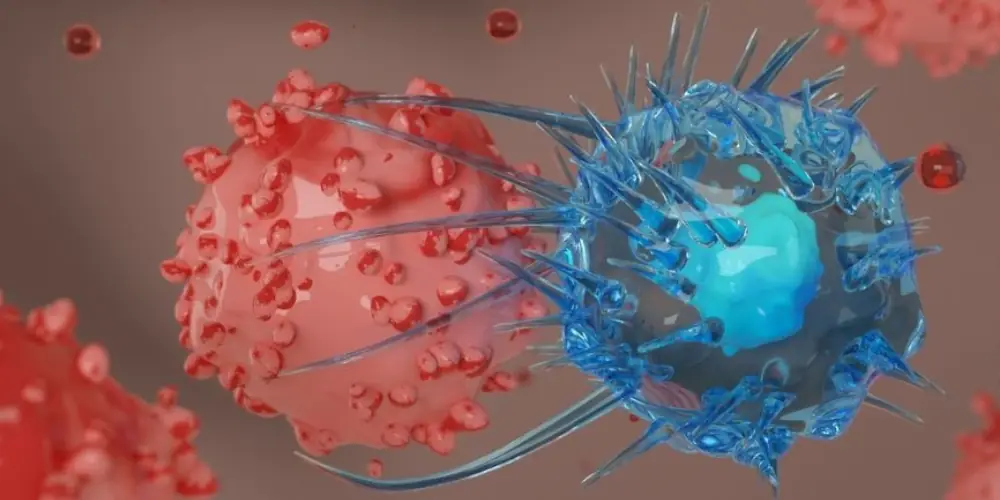
MHC-1, short for major histocompatibility complex class I, acts as a cellular identification system. These proteins sit on the surface of most cells and present pieces of proteins to T cells.
When a cell carries abnormal proteins from cancer or an invading virus, MHC-1 can help T cells recognize the problem and respond.
Qiushuang Wu, a postdoctoral researcher in Tavazoie’s laboratory and the study’s first author, investigated what happens when arginine becomes scarce. The researchers found that three HLA genes involved in MHC-1 production were affected.

The reason became clearer during additional experiments. MHC-1 contains several sites that require arginine during protein production. When arginine levels dropped, ribosomes—the structures responsible for assembling proteins—stalled while making MHC-1.
As a result, cells produced less MHC-1 and displayed fewer signals for T cells to recognize. That reduction could make it harder for the immune system to identify cancerous or virus-infected cells.
“These findings are exciting because they reveal that consumption of a specific amino acid can directly regulate gene expression in an organism by increasing production of a protein enriched in that amino acid,” Tavazoie said.
Researchers Found a Strong Arginine Pattern
Wu examined changes in amino acid levels across several disease models, including colon cancer, influenza, and SARS-CoV-2 infection. Each condition had previously been linked with changes in amino acid levels.
One pattern stood out. Arginine showed the greatest depletion across all three disease settings.
The team then used cell cultures to examine how declining arginine levels affected proteins. Researchers identified 414 proteins that appeared at unusually low levels. Most were connected to arginine’s known functions inside cells.
The changes involving MHC-1 were more unexpected. They suggested that the amount of a single amino acid could influence protein production in a highly specific way.
That finding also adds to a broader question in biology: whether changes in nutrient availability can directly influence which genes and proteins cells produce.
Diet Made a Difference in Mice
The researchers next tested different dietary levels of arginine in mice. The results showed a clear difference in colon cancer models.
Mice that consumed less arginine developed more colon tumors. Animals given higher amounts developed fewer tumors.
The team then studied influenza and SARS-CoV-2 using mouse models with Heinz-Heinrich Hoffman, a research assistant professor in Charles Rice’s Laboratory of Virology and Infectious Disease.
The viral experiments produced similar results. Mice receiving an arginine-rich diet experienced milder symptoms. Researchers also found that giving arginine after influenza infection improved outcomes.
“Not only did mice with an arginine-rich diet have milder symptoms from viral infections, giving the mice arginine after influenza infection improved their outcomes too,” Wu said.
She added that the result was unexpected because the team had not anticipated dietary changes to have an effect as strong as the genetic models suggested.
What Codons Have to Do With It

The study also examined how cells make proteins. DNA provides instructions for protein production through codons, which are groups of three DNA bases.
Six different codons can encode arginine. That broad coding role makes the amino acid important in protein production.
When arginine becomes limited, ribosomes may have difficulty continuing protein assembly when they reach arginine-dependent sections. MHC-1 appears particularly sensitive because its structure contains multiple arginine sites.
This process helps explain how a change in nutrient availability can affect the amount of a specific protein inside a cell.
Wu’s research focused on whether arginine changes caused by disease or diet could alter gene expression. The project received support from the Stavros Niarchos Foundation (SNF) Institute for Global Infectious Disease Research at The Rockefeller University and the Weill Cancer East Hub.
Aging May Also Play a Role
Arginine levels naturally decline with age, raising another question for researchers. Lower levels could contribute to weaker immune surveillance as people get older.
Tavazoie suggested that declining arginine associated with poor nutrition and aging may contribute to greater vulnerability to colon cancer and respiratory viruses.
“Qiushuang’s findings illuminate how poor diet and aging — during which arginine levels naturally decline — could create the perfect storm for the initiation of colon cancer,” Tavazoie said.
He also noted that age-related arginine loss could partly contribute to higher mortality from respiratory viruses.
The team is now examining whether changes in other amino acids can produce similar effects in different diseases. That work could help clarify how nutrition influences cellular behavior and immune responses.
The study links arginine levels with immune function. In mice, higher dietary arginine was associated with fewer colon tumors and milder viral infection symptoms. However, these findings come from animal and laboratory research and do not prove that arginine supplements can prevent or treat cancer or viral infections in humans.
The research also suggests that nutrition and aging may influence immune responses. More human studies are needed to determine whether safely adjusting arginine levels could affect immunity or have potential therapeutic benefits.