
Living longer is often linked to everyday choices, and physical activity continues to stand out as one of the most reliable contributors to long-term health. While staying active has always been encouraged, questions remain about which types of movement matter most. Recent research adds clarity by showing that variety in physical activity may play a meaningful role in supporting longevity, not just the total amount of exercise.
A large study published in BMJ Medicine suggests that people who regularly take part in different forms of physical activity tend to live longer than those who stick to just one type.
The findings reinforce a simple idea: moving the body in diverse ways supports overall health and may reduce the risk of early death.
Why Physical Activity Choices Matter
Healthy habits such as balanced nutrition, stress management, quality sleep, and avoiding smoking are widely associated with longer life expectancy. Physical activity fits directly into this mix. What often creates confusion is deciding which exercises offer the most benefit over time.
According to long-term data, engaging in multiple types of physical activity may provide broader health support than repeating the same workout routine for decades. Different activities challenge the heart, muscles, joints, and balance systems in unique ways, which may explain their combined impact on lifespan.
Details Behind the Study
Researchers analyzed data from two major long-running projects: the Nurses’ Health Study and the Health Professionals Follow-Up Study. Together, these studies included over 173,000 participants, with more than 111,000 individuals included in the most recent analysis.
Participants reported their physical activity habits over a span exceeding 30 years. This long observation period allowed researchers to track patterns, changes, and outcomes related to movement and mortality.
The study reviewed a wide range of activities, reflecting how people commonly stay active in daily life. These included:
1. Cardio-based movement such as walking, jogging, running, cycling, rowing, tennis, and swimming
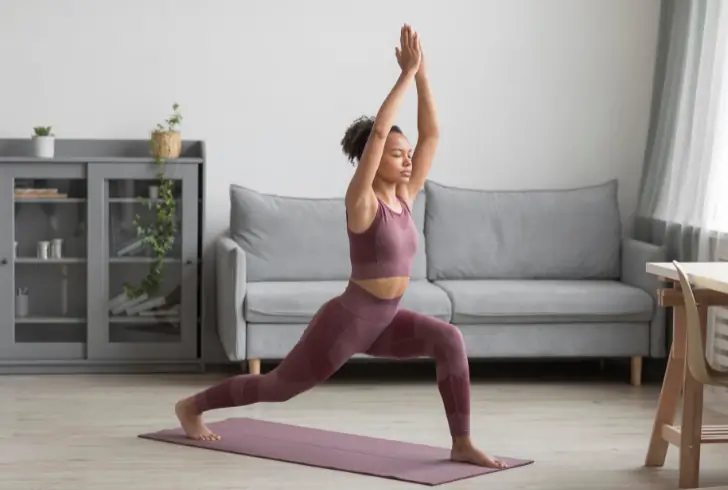
2. Lower-intensity exercise, including yoga, stretching, and toning routines
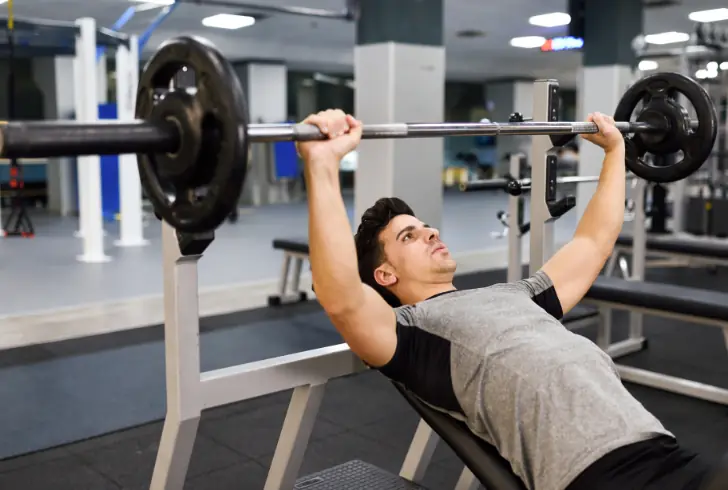
3. Strength-focused training involving weights or resistance
4. Vigorous household or outdoor tasks like mowing lawns
5. Moderate outdoor work such as gardening
6. High-intensity labor, including digging and chopping
Yang Hu, ScD, a research scientist at the Harvard T.H. Chan School of Public Health and corresponding author of the study, explained the motivation behind this research while speaking to Medical News Today.
“Unlike genetic makeup that you cannot change, people can choose to exercise more to prevent disease and live longer,” Hu said. Accumulative research has shown that most chronic diseases are largely preventable through adopting a good diet and lifestyle. As public health researchers, it’s our mission to keep figuring out the ways to prevent diseases and improve life quality, which makes people live longer.”
Exercise Benefits Have a Limit
The findings showed that total physical activity, along with most individual activity types, was associated with a lower risk of death from all causes. Swimming was the one activity that did not show the same direct association in this analysis.
However, the relationship between exercise and longevity did not continue endlessly. Benefits leveled off after a certain amount of weekly activity.
Hu addressed this pattern directly:
“It’s common to see a limit of benefits for healthy lifestyle factors such as physical activity because you can’t expect the risk go down to zero with increasing exercise level.”
He added:
“We found that all activities included in this study have such limits, meaning that no additional benefits may be gained beyond certain amounts of exercise. So, combining different activities together may be more effective to receive health benefits as long as the total activity level is maintained.”
Activity Variety Linked to Lower Mortality Risk
One of the most notable findings involved activity diversity. Participants who reported engaging in a wider range of physical activities showed a lower risk of death compared to those with a limited variety.
Those with the highest activity variety experienced:
A 19% lower risk of death from all causes
A 13–14% lower risk of death from heart disease, respiratory disease, cancer, and other causes
Hu described this result as a meaningful shift in how exercise advice may be framed.
“It’s a pretty novel finding that engaging in more types of activities at a given total activity level may offer additional health benefits toward longevity,” he said. “It means that although maintaining a high level of total physical activity is still most important, mixing up different types of activities that have complementary health benefits may be more helpful to prevent premature death.”
He continued:
“Habitual engagement of almost all commonly practiced physical activities is beneficial to prevent premature death and achieve longevity. It’s important to keep a high level of total physical activity, and on top of that, diversifying the types of activities may be more beneficial.”
Exercise Variety Matters as Much as Volume
Zeeshan Khan, MD, chief of geriatrics at Hackensack Meridian Jersey Shore University Medical Center in New Jersey, shared his perspective on the findings with Medical News Today.
“Being physically active helps you live longer, which helps support us when we discuss this,” Khan said. “For years, we’ve been advising patients to stay active and undergo lifestyle modifications with exercise. This study provides long-term data that adds a new dimension to that advice: variety is just as important as volume.”
Khan also highlighted how this research supports more flexible exercise guidance.
“Unable to run? OK, we can try chair exercises and swimming. My hope is that this study will make the discussion between the patient and their doctor more of a conversation, as opposed to being one-sided, viewed as an exercise prescription with a portfolio of activities that can be utilized.”
Supporting Long-Term Mobility Through Variety
Bert Mandelbaum, MD, sports medicine specialist and orthopedic surgeon, and co-director of the Regenerative Orthobiologic Center at Cedars-Sinai Orthopaedics in Los Angeles, also weighed in.
He emphasized the concept of maintaining a long “playspan,” meaning the ability to remain physically active later in life.
“Our bodies have this incredible plastic capability, and we could turn it on in a lot of different ways,” Mandelbaum explained. “From a non-impact way, working on balance, strength, resistance, and body weight exercise. Running, sprints, biking, and swimming all have an additive effect.”
According to Mandelbaum, this study reflects what sports medicine specialists observe in practice, and future research may continue to support similar conclusions.
Why Older Adults Need Focused Research
Khan pointed out that most participants were followed from middle age, which leaves room for further investigation.
“The participants in this study were followed from middle age,” he said. “Starting a varied exercise program later in life would likely confirm benefits, but dedicated studies are needed to confirm this.”
He also noted the need to better define ideal exercise combinations.
“This study shows that more variety is beneficial, but what is the ideal mix? Future research could explore the specific benefits of combining aerobic exercise, strength training, and balance or flexibility work like tai chi or yoga to create an evidence-based longevity exercise prescription.”
Mandelbaum added that each activity influences the body differently, affecting factors such as oxygen capacity, physical load, recovery, and sleep quality.
“Ultimately, we have to develop some type of machine learning that looks at all of these things, all the epigenetic drivers, and see the effect on them,” he said. “Those studies are coming.”
Regular movement remains a core part of long-term health, but this research highlights an important shift in thinking. Maintaining activity levels matters, yet combining different types of movement may offer added protection against early death.
Cardio, strength, balance, and flexibility exercises each support the body in distinct ways. When practiced together, they may help sustain mobility, heart health, and overall resilience well into later years.