
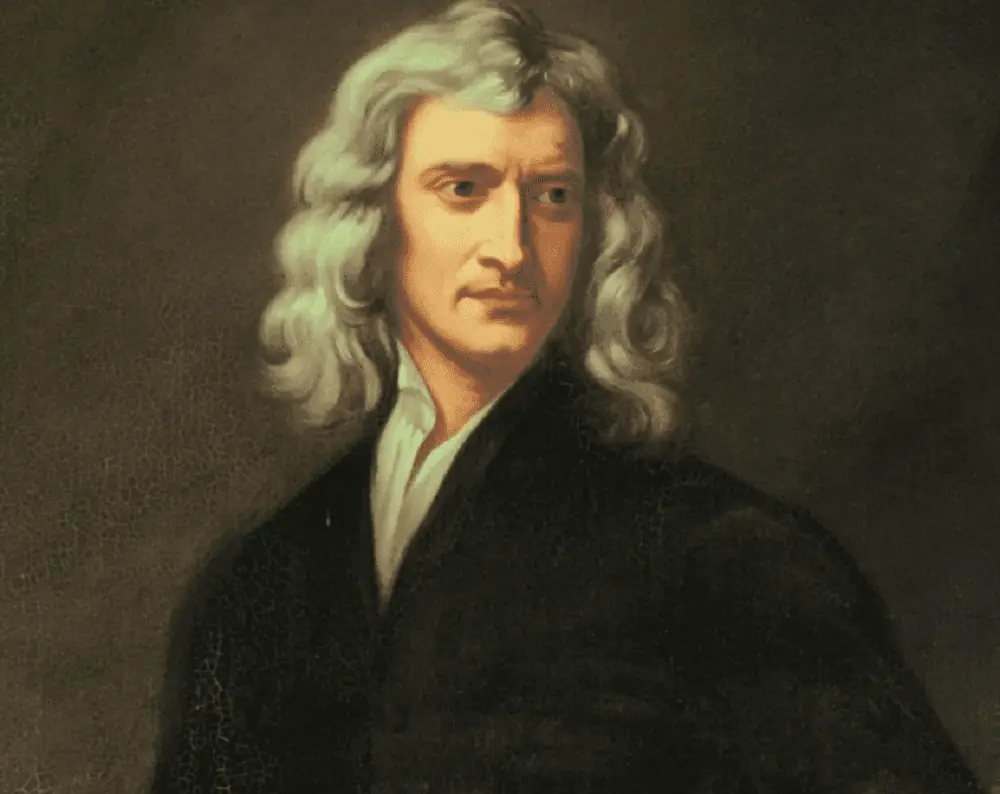
Sir Isaac Newton was one of the most interesting and influential scientific figures of the 17th-century. His contributions to classical physics and mathematics are way too many to list in one sitting while his laws of motion are topics that every science student learns about at some point during their academic journey, despite the fact that Newton lived some three centuries ago during the 17th and early 18th century. In this article, we will look at four interesting facts about the famed mathematician and physicist.
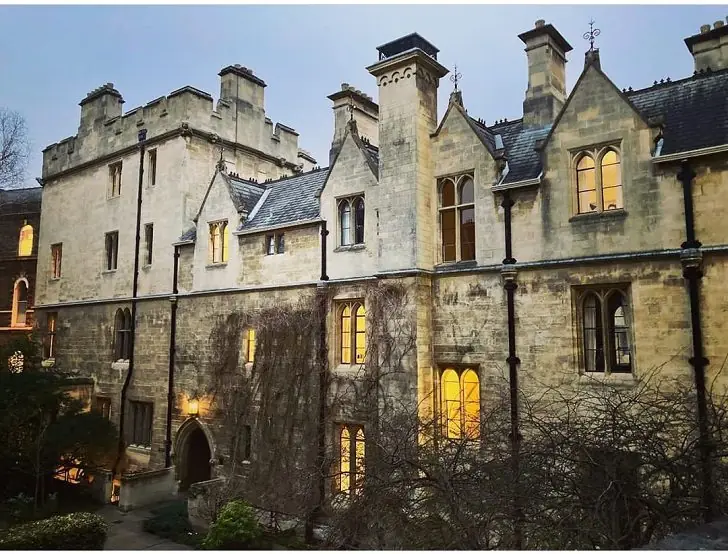
His Uncle Helped Him Get into College
In June 1661, Newton got into Trinity College through the help of his uncle, Reverend William Ayscough. This was after he had tried his hand at farming at his mother’s behest. Unfortunately, due to his financial woes, Newton was unable to pay his school fees sand so, he had to undertake multiple part-time jobs to afford the tuition. In 1664, he earned a scholarship to Cambridge and this gave him the opportunity to forgo his part-time jobs in favor of dedicating his mind to newer and greater things.
The Bubonic Plague Interfered With His Schooling
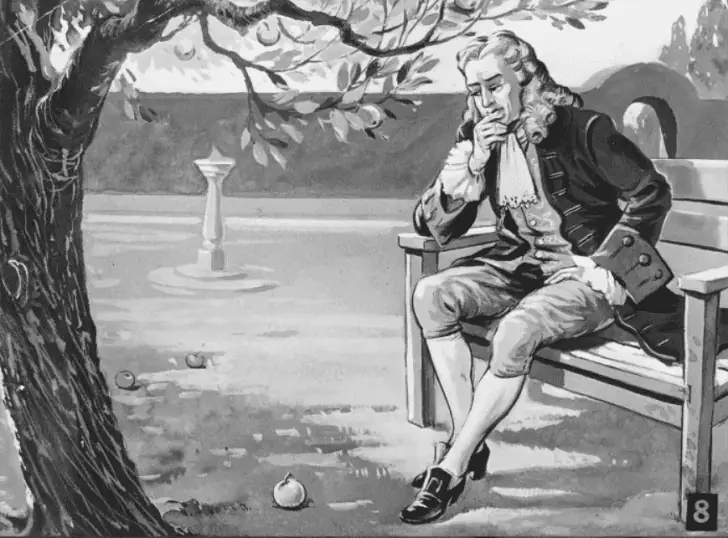
In 1665, the Bubonic Plague caused schools and educational institutions to close their doors as people and establishments tried to avoid infections and deaths. Back then, the disease then called “black death” because the victims often had blackened tissues from gangrene. After this disease’ outbreak, Cambridge shut down for two years and Newton returned to Woolsthorpe manor to work on other scientific pursuits. It is believed that it was during this period that he observed an apple falling and first began to think of gravity.
He Became A Professor at The Age of 27
After several years at Cambridge, Newton impressed his professor Isaac Burrow with his mathematical knowledge to such an extent that the professor recommended Newton as his replacement in 1669. The replacement was needed because Professor Isaac Burrows had decided to accept another job offer and thus, Newton accepted the post at Trinity College, Cambridge, serving in that capacity for twenty-seven years.
He Wrote More on Religion and Alchemy Than He Did on Science
Newton rarely spoke about his religious views but during the ‘60s, hundreds of years after his passing, his religious papers consisting of some 10 million words were published. Newton’s descendants had kept them hidden for fear that his religious views would smear his reputation–Newton’s views were such that they could get him branded as a “heretic,” a tag that had dire consequences during his era and the following decades.