

Bed bugs are a pesky, persistent problem that is difficult to get rid of. Not only are they hard to find, but they also spread quickly through contact and travel. As such, it’s important to take the steps necessary to protect yourself from bed bugs and eradicate them if you identify an infestation in your home.
To help educate homeowners on the best practices for dealing with bed bugs, we asked pest and cleaning experts what to do if you have them.
Recognition
The first step is recognizing the signs of a bed bug infestation. According to Justin Remer, President of Pest Strategies, “If you see reddish-brownish spots on your mattress or sheets, this may indicate bed bug activity. Additionally, look out for eggs or actual bed bug sightings – these can appear as small black dots.
If you notice these signs in your home, it’s important to immediately take action as they tend to reproduce rapidly once established in an area.”
Assess The Severity
Once you identify a bed bug issue or suspect one, assess the infestation’s severity. “People tend to underestimate the amount of work required when dealing with a bed bug infestation,” says Ray Worrall, Founder, and President of Terminix Canada.
In his opinion, “It’s important to thoroughly assess the affected area so that you can determine what size of treatment will be needed – will a few sprays suffice, or do you need more extensive treatment? Doing an honest assessment is key for any successful extermination process.”
Reach For Professional Help
When it comes time for extermination, many people opt for professional help due to their experience and knowledge in using safe yet effective treatments such as heat treatments and chemical applications designed specifically for treating bed bugs.
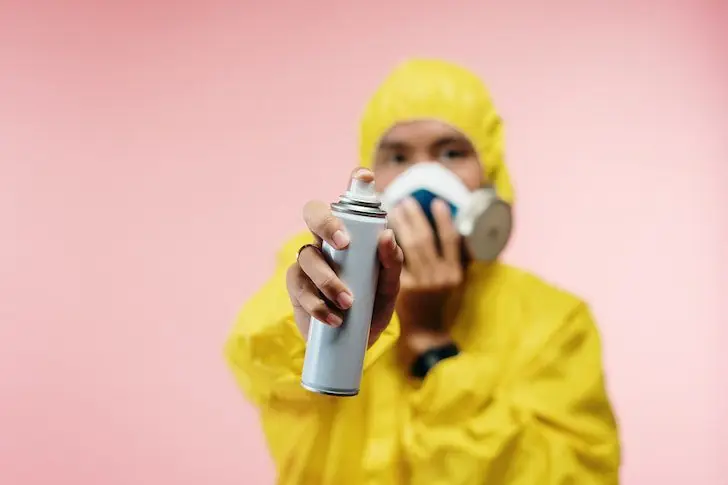
However, if you prefer a DIY solution, there are some tips that may help keep the process relatively safe while still being effective at eradicating these pests. “There are products available at most major retailers that can be used at home,” explains Remer. “These typically contain insecticides which need proper application and ventilation before re-entering the area.”
Regardless of whether you choose professional help or DIY solutions, BedBug Central recommends taking extra precautions after extermination has been completed. These include following up with additional inspections (by yourself or professionally) two weeks after treatment as well as regular vacuuming and laundering of linens and other items throughout your home. This must be done both during and after treatment in order to prevent the further spread of potential bed bugs present in the environment before eradication efforts start.
Conclusion
The bottom line is that getting rid of bed bugs takes time. However, with proper knowledge of prevention techniques and appropriate extermination methods (whether done by yourself or hired professionals), it is possible to reclaim your living space from these pesky critters without too much hassle or costly measures.
In addition to this article, we also recommend speaking with a local pest control expert who can provide detailed advice tailored specifically to your situation so that you can make an informed decision about how best to go about tackling this challenge head-on!