
Ever wake up feeling like you wrestled a bear all night? Or perhaps you function just fine on a couple of hours of shut-eye? Sleep, that glorious state of unconsciousness, is as essential as air and water for our well-being. Yet, it’s often the first thing to get sacrificed in our busy lives. But here’s the truth: skimping on sleep has far-reaching consequences that ripple through our physical and mental health.
One of the biggest misconceptions about sleep is that it’s a passive state where we simply shut down. In reality, sleep is a dynamic process orchestrated by our brains.
During sleep, our bodies enter a state of repair and rejuvenation. Muscles mend, memories solidify, and the brain flushes out toxins – all essential for optimal cognitive function and physical health. But sleep isn’t a one-size-fits-all proposition. How much shut-eye you need depends on various factors, like your age, lifestyle, and even your genes.

How Much Sleep Do You Really Need?
Let’s face it, the ideal amount of sleep can feel like a moving target. Here’s a cheat sheet based on age groups, but remember, these are just guidelines:
- Childhood Slumber Party (Ages 6-13):
Growing bodies and curious minds crave a good night’s rest. Aim for 9-11 hours to fuel those growth spurts and blossoming imaginations. - Teenage Dreamers (Ages 14-17):
The struggle is real for teenagers. Their internal clocks naturally shift towards later sleep schedules, but early school mornings often cut sleep short. 8-10 hours is the sweet spot for optimal cognitive function and emotional well-being. - The Adult Balancing Act (Ages 18-64):
Juggling work, family, and social lives often leaves adults sleep-deprived. Aim for 7-9 hours to stay sharp, focused, and energized throughout the day. - Seasoned Sleepers (Ages 65+):
Sleep patterns can naturally shift with age. While some older adults may require less sleep (around 7-8 hours), quality becomes even more crucial.

These are just general guidelines. Some people may function perfectly well on a bit less sleep, while others might need an extra hour or two to feel their best. Here’s the key: pay attention to your body’s cues. Do you wake up feeling refreshed and energized, or do you hit the snooze button repeatedly?
Why You Should Prioritize Shut-Eye
Chronic sleep deprivation (think restlessly skimping on sleep) is a recipe for disaster. Here’s how it can wreak havoc on your health:
- Heart Health Havoc: Think of sleep as a time for your heart to take a much-needed vacation.
- Metabolic Mayhem: Not getting enough sleep can disrupt hormones that regulate hunger and satiety, potentially leading to weight gain and metabolic disorders like type 2 diabetes.
- Immunity Inferno: Sleep is essential for a healthy immune system. When you’re sleep-deprived, your body’s ability to fight off infections and recover from injuries gets compromised.
- Brain Drain: Sleep is when your brain consolidates memories and information learned during the day. Skimp on sleep, and you’re setting yourself up for forgetfulness, difficulty concentrating, and impaired decision-making.
Cultivating Quality Sleep
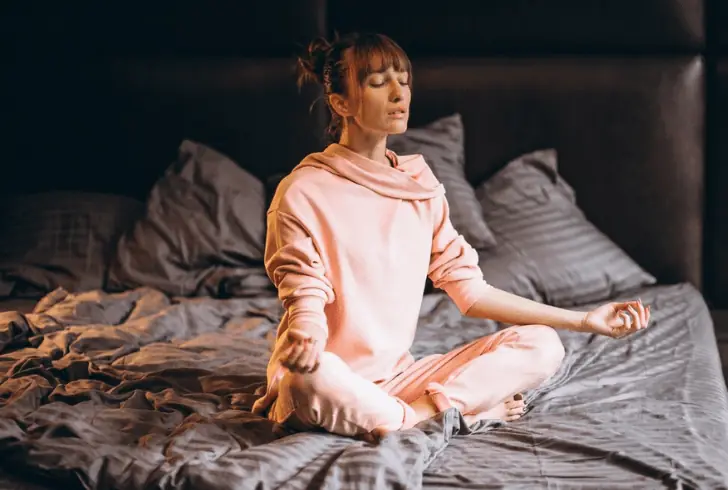
The quality of your sleep is just as important as the quantity. Here are some tips to transform your bedroom into a sleep sanctuary:
- Craft a Calming Routine: Establish a relaxing bedtime routine that signals to your body it’s time to wind down. Take a warm bath, read a book, or practice gentle yoga poses.
- Power Down Before Bed: The blue light emitted from electronic devices disrupts sleep patterns. Power down electronics at least an hour before bedtime.
- Craft a Sleep-Conducive Environment: Keep your bedroom cool, dark, and quiet. Invest in blackout curtains, earplugs, and a comfortable mattress.
Remember, sleep is a non-negotiable investment in your health and well-being. By prioritizing good sleep hygiene and creating a sleep-friendly environment, you’ll unlock a world of benefits that encompasses improved mood, sharper focus, a stronger immune system, and a healthier heart. So, ditch the all-nighters and embrace the power of a good night.