

Children today spend more time indoors than any previous generation. Screens, packed schedules, and limited outdoor play have slowly replaced long afternoons in parks, backyards, and forests. At the same time, mental health concerns among children and teens continue to rise across the world.
This growing connection has pushed researchers to examine one important question: can time in nature improve children’s emotional and physical well-being?
Research points toward encouraging answers, although the science is still developing. Natural environments appear to support children in several meaningful ways, from lowering stress levels to improving attention and social interaction.
Why Nature Matters to Children
A widely discussed idea known as the “biophilia hypothesis” suggests that humans naturally seek connections with nature. According to this theory, exposure to green spaces fulfills a basic human need shaped through evolution. While the concept may sound abstract, many studies continue to explore how outdoor environments affect the brain and behavior.

Research shows that spending time outdoors is associated with reduced stress responses, stronger focus and better cognitive performance, higher levels of physical activity, and improved social interaction among children.
Even simple exposure to trees, gardens, or parks may influence mood and concentration. Studies also suggest that children who regularly spend time outdoors often develop stronger problem-solving skills and greater independence during play.
Outdoor Learning and Academic Benefits
Schools have also started experimenting with outdoor learning environments. Some classrooms now move lessons outside at least once a week, allowing children to learn in open-air settings instead of traditional indoor spaces.
Research connected to these programs has shown promising results. Academic performance often improves, particularly in areas involving attention and engagement. Teachers have reported positive experiences as well. A research team led by Marianna Brussoni at the University of British Columbia found that educators appreciated outdoor learning almost as much as students did.
The appeal may come from the way natural settings reduce mental fatigue. Open spaces encourage movement, curiosity, and interaction, which can help children stay mentally engaged for longer periods.
What Recent Research Reveals
A major meta-synthesis published by Tessa Lomax and colleagues at Oxford University reviewed studies published between 2010 and 2022 to better understand how nature affects children’s health.
The review examined many forms of nature exposure. These ranged from seeing trees during a drive to school to spending hours in unstructured outdoor play. Across the research, one pattern appeared consistently: children generally experienced positive effects on well-being after spending time in natural environments.
The strongest results, however, were found among children without diagnosed mental health conditions. For children with disorders such as ADHD or depression, the findings showed potential benefits, though researchers noted that more detailed and unbiased studies are still necessary.
This distinction matters because it highlights an important reality. Nature may support mental health, but it should not be viewed as a guaranteed treatment for serious conditions.
Outdoor Habits Still Make a Difference
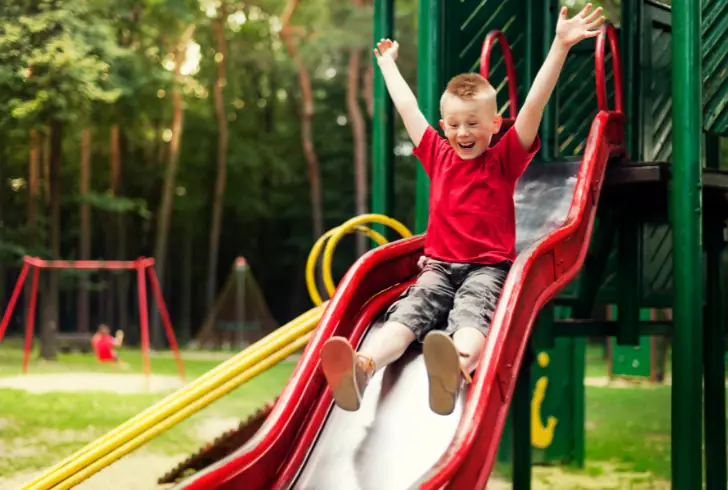
Even without definitive answers, outdoor activity remains a low-risk habit with several advantages. Time outside naturally reduces screen exposure and creates opportunities for physical movement, social interaction, and independent thinking.
Simple activities can help children reconnect with outdoor spaces:
1. visiting local parks
2. family walks or hiking trips
3. outdoor sports and free play
4. gardening or nature exploration
These experiences may appear ordinary, yet they encourage curiosity, resilience, and emotional balance in ways indoor routines often cannot replicate.
Research continues to explore how nature shapes children’s mental and emotional health, but existing evidence already suggests meaningful benefits. Outdoor experiences may improve focus, encourage social development, and reduce stress, especially for children without severe mental health conditions.
While scientists continue studying the long-term effects, regular contact with nature remains a practical and healthy part of childhood that supports both physical activity and emotional well-being.