As the sun intensified over Athens, temperatures surged past 40°C (104°F), prompting emergency action across Greece. In a country known for its vibrant summers and historic charm, this scorching heatwave is proving too intense to handle.
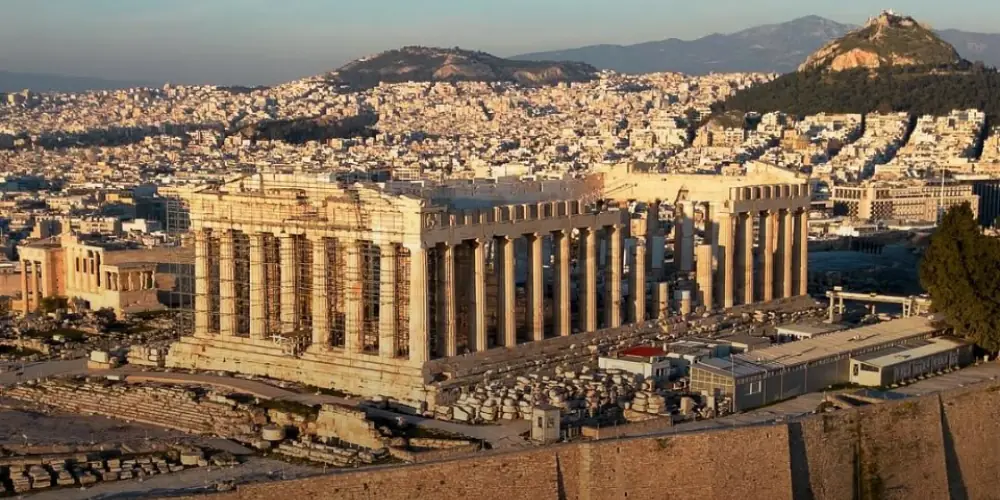
The iconic Acropolis, a UNESCO World Heritage site and one of Greece’s most visited landmarks, was forced to temporarily shut down during peak hours to protect visitors and workers from the sweltering afternoon blaze.
Historic Site Shuts Down Amid Heatwave
On July 8, Greek authorities closed access to the Acropolis from 10 a.m. to 2 p.m., a time when temperatures soared to dangerous levels. Built on exposed rock with little shade, the site becomes dangerously hot under direct sunlight.
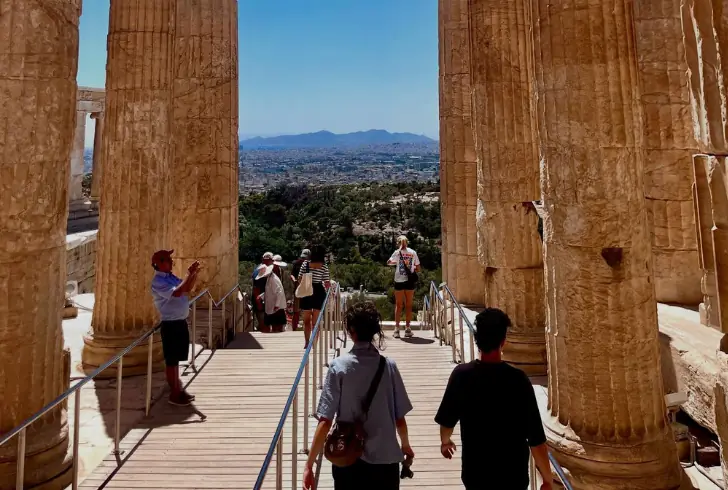
Despite the warnings, some tourists braved the heat early in the day. For many, like 58-year-old visitor John Howell from Scotland, the experience required extra preparation—sunhats, fans, sunglasses, and constant hydration became essential.
Broader Impact on Daily Life in Greece
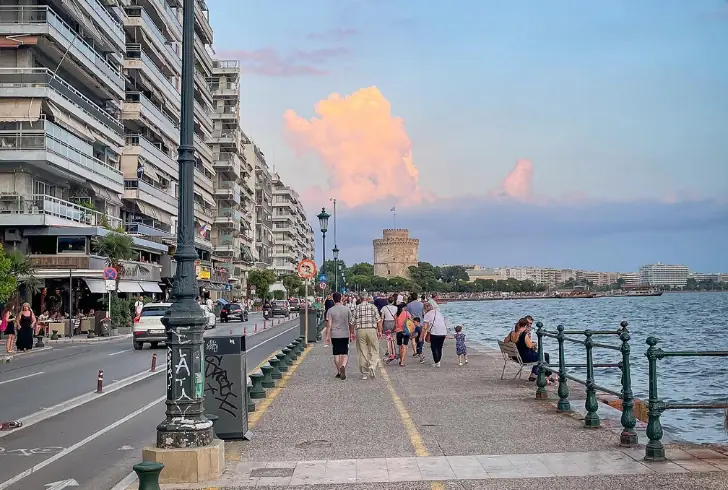
The effects of this heatwave extend far beyond tourist sites. Across mainland Greece—including cities like Thessaloniki and areas of the southern Peloponnese—workplace restrictions were introduced to reduce health risks for laborers exposed to the sun. From midday to 5 p.m., outdoor activities were suspended in several industries.
This includes:
– Construction work
– Delivery services
– Shipyard operations
The labor ministry emphasized that high humidity and stagnant air contribute to heat stress, particularly for those engaged in physical tasks. These restrictions are part of broader measures aimed at minimizing health hazards during extreme weather events.
Weather Outlook and Fire Risks Rise
According to the Hellenic National Meteorological Service, the heat is expected to linger until at least Wednesday. Authorities are remaining on high alert not just for heat-related illnesses, but also for the increased risk of wildfires.
Strong winds and dry landscapes create the perfect conditions for fires to spread quickly, especially around Athens and other high-risk zones.
Climate Patterns Intensify Across Europe
This isn’t an isolated heatwave. The rising temperatures in Greece follow a broader pattern affecting much of Europe. Just a week earlier, several parts of Western Europe endured intense heat, with eight fatalities and multiple wildfire outbreaks reported. Scientists have confirmed that 2024 was the warmest year globally, crossing the 1.5°C threshold above pre-industrial levels for the first time.
Greece itself recorded its hottest winter and summer seasons last year. A 16-day heatwave in July 2024 became the longest in the country’s history. This extreme weather is not just breaking records—it’s reshaping how countries prepare for and respond to seasonal shifts.
Why Greece is Especially Vulnerable
Greece sits on the southeastern edge of Europe, where Mediterranean summers are typically dry and hot. However, what was once considered normal summer heat is rapidly shifting into dangerous territory. The frequency and intensity of heatwaves are increasing, creating new challenges for both residents and the tourism sector, a major component of the Greek economy.
Closing historical sites like the Acropolis might become more common if this pattern continues. That not only affects tourism but also draws attention to the urgent need for climate resilience strategies.
Greece’s Summers Demand Smarter Preparation
The intense heatwave sweeping Greece highlights the urgent need for new safety measures and awareness among both locals and visitors.
Midday outdoor activities have become dangerous, prompting authorities to issue timely alerts and enforce precautions like site closures and adjusted schedules. Travelers should stay informed, stay hydrated, and protect themselves from the sun to navigate these extreme conditions safely.
Looking ahead, as global temperatures climb, Greece will need to adopt smarter urban planning, enhanced early warning systems, and flexible tourism strategies to cope with a hotter climate.
The temporary closure of the Acropolis during peak heat hours stands as a clear sign that even ancient landmarks are feeling the impact of changing weather patterns.